As our loved ones grow older, health shifts can arrive quietly over months or suddenly after a fall, a hospital stay, or with a progressive condition such as Parkinson’s or dementia. For most families, this raises a difficult but important question: when do our loved ones need rehabilitation or nursing home care?
It’s not an easy answer, because aging affects every individual differently, and every family carries the emotional weight of wanting to do the right thing. Yet timing matters. With structured rehabilitation, clinical oversight, and an environment designed for recovery, individuals often experience improved mobility, reduced complications, and a higher degree of independence and dignity. This article helps families understand:
- When elders benefit from post-acute or long-term rehabilitation in an elder care home
- The medical and functional conditions that often require such care
- How specialised elder homes differ from home-based caregiving
- What families can realistically expect in the journey, emotionally and clinically
When do Elders Need Rehabilitation in a Specialized Elder Care Home?
Rehabilitation for elders is not just about regaining physical strength; it is about restoring dignity, mobility, cognition, and emotional stability after a medical setback. Often, the real challenge after an illness or hospitalization is not the disease itself but the loss of routine, confidence, and independence.
Elders typically need structured rehab in a supervised environment when home care becomes unsafe or insufficient, when there is functional decline after surgery or hospitalization, or when cognitive impairment makes daily routines risky. In such settings, physiotherapy, skilled nursing, cognitive engagement, and ADL support work together under one coordinated plan.
Families should consider structured rehabilitation when:
- There is a significant functional decline after illness, injury, hospitalization, or surgery.
- Home care is insufficient or unsafe, due to fall risks, complex medication needs, or behavioral symptoms.
- There is cognitive impairment, making independent routines difficult and risky.
- There’s a need for coordinated, multidisciplinary care, including physiotherapy, nursing, cognitive stimulation, speech/communication therapy, and assistance with ADLs (Activities of Daily Living).
Unlike hospitals that focus on the acute phase, elder-focused rehabilitation aims to rebuild meaningful participation in life, improve mobility, and stabilize emotional well-being.
Health Conditions that Typically Require Elder Rehabilitation & Assisted Nursing Care
Many health events in later life require more than home support. Post-surgical recovery, neurological conditions, stroke, fractures, and progressive illnesses can lead to mobility loss, cognitive changes, and dependence in daily tasks. In such cases, structured rehabilitation and assisted nursing care help elders recover safely, reduce complications, and regain meaningful function.
- Post-Hospitalization or Post-Surgical Recovery
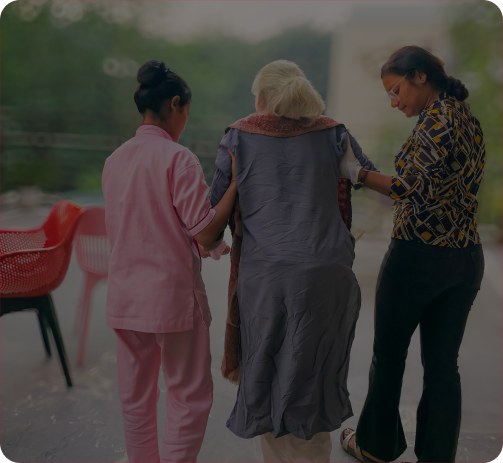
After procedures such as hip or knee replacements, fracture repair, cardiac surgery, or spinal interventions, many elders face a mix of mobility limitations, pain, weakness, and fear of falling. Even basic daily activities like bathing, toileting, and dressing can become challenging during recovery.
In such cases, a rehabilitation-focused care environment offers physiotherapy, balance and gait training, pain and medication management, and supervised ADL (Activities of Daily Living) support. This structured approach helps elders regain function more safely, reduces complications, and accelerates recovery with greater confidence.
- Stroke & Neurological Events
A stroke or neurological incident can alter an elder’s physical abilities, communication, cognition, and emotional regulation. Many experience weakness or paralysis on one side, speech and swallowing difficulties, behavioral changes, and a sudden loss of independence in daily tasks. Recovery in such cases is gradual and requires structured neurological rehabilitation, skilled nursing oversight, and speech/communication therapy.
- Parkinson’s Disease & Movement Disorders
Parkinson’s and related movement disorders affect mobility, gait, coordination, swallowing, and often cognition. As the condition progresses, elders may become more prone to falls, medication timing errors, slowed movements, low voice volume, and reduced participation in daily tasks. Beyond physical symptoms, anxiety, apathy, and behavioral changes can also emerge, making family caregiving challenging and unpredictable.
In these situations, a structured care environment supports safety, mobility, and dignity through fall-prevention design, precise medication routines, physiotherapy, LSVT-BIG/LOUD exercises, cognitive engagement, and behavioral support.
Structured care is especially useful when:
- There are frequent falls, freezing episodes, or mobility fluctuations during the day
- Medication timing and therapy adherence become difficult to manage at home
Dementia is not only about memory loss, but it also alters judgment, orientation, behavior, continence, sleep cycles, and emotional regulation. Families may suddenly face wandering, agitation or aggression, confusion during daily routines, unsafe decision-making, or day–night reversal. These changes can make home care overwhelming, especially when safety and reassurance are constant needs rather than occasional tasks. Structured dementia care becomes important when there is:
- Behavioral or safety risk, such as wandering, agitation, or poor judgment
- Dependence in daily tasks, hygiene, medication adherence, or continence care
Rehabilitation in dementia contexts is not about “curing” the disease, but about preserving abilities, slowing functional decline, and supporting emotional stability. This often involves cognitive stimulation, sensory therapy, occupational therapy, structured routines, clinical oversight, and secure environments to reduce distress and maintain dignity, elements that are rarely feasible to replicate at home.
- Chronic Conditions & Frailty Syndrome
Conditions such as frailty syndrome, COPD, chronic kidney disease, osteoarthritis, and cardiac diseases often reduce an elder’s endurance and strength while increasing vulnerability to infections, falls, and medication complications. Muscle loss (sarcopenia), weak immunity, and polypharmacy add to the challenge, making daily functioning gradually more difficult and exhausting. Structured rehabilitation becomes valuable when there is:
- Declining stamina or recurrent falls, limiting mobility and daily routines
- Multiple chronic medications, increasing risk of interactions or missed doses
Rehabilitation in these cases focuses on building endurance, improving balance and gait, preventing falls, optimizing nutrition, managing medications safely, and supporting mental and emotional well-being, all of which work together to preserve independence for as long as possible.
6. Falls, Fractures & Balance Issues
Falls remain one of the biggest health risks for elders in India. After a fracture, especially hip fractures, the clock matters. Timely and structured rehabilitation plays a major role in whether an elder regains mobility, returns to independent routines, or becomes long-term dependent on assistance.
Why Rehabilitation in an Elder Home Differs from Home Care
For most families, the first response to a health setback in an aging parent is home care. It feels familiar, personal, and emotionally comforting. But certain recoveries, especially after hospitalization, surgeries, neurological events, or cognitive decline, demand more than good intentions and basic support.
Without structured routines, clinical oversight, safety adaptations, and therapeutic stimulation, progress can slow down or plateau at home. That’s where rehabilitation within a specialized elder home becomes meaningful and transformative.
Below are the core differences that families should understand when weighing their options.
1. Multidisciplinary Clinical Support
Rehabilitation in an elder home brings together multiple disciplines under one roof, which include:
- Nursing care
- Physiotherapy
- Occupational therapy
- Cognitive stimulation therapy
- General physicians or geriatricians
- Care staff trained in dementia and elder care
This collaborative approach ensures that each intervention supports the other. Mobility plans account for cognitive limitations, medication schedules consider therapy timings, and nutrition supports recovery goals. The result is safer progress and fewer avoidable complications.
2. Safe, Purpose-Built Environments
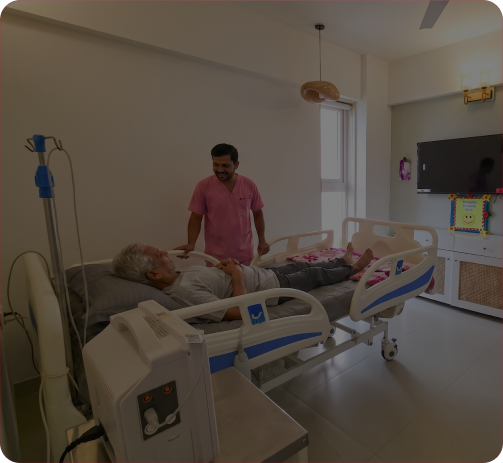
Safety is not just about supervision; it’s about design. Elder homes are constructed to reduce fall risk, support mobility, and preserve dignity. These environments typically include:
- Anti-slip flooring and ramps
- Grab bars and railings at touchpoints.
- Wheelchair-friendly pathways
- Thoughtfully planned layouts to avoid falls
- 24×7 supervised care
For individuals with dementia, there is an additional layer of support through secure boundaries, behavior-responsive design, and visual cues that reduce agitation, wandering, and confusion. At home, families often struggle to retrofit these features, leading to higher risk and caregiver stress.
3. Structured Routine, Engagement, and Social Connection
Recovery is not only physical, but it’s also cognitive and emotional. Isolation, inactivity, and irregular routines can slow down rehabilitation. Within an elder home, engagement is structured and purposeful through:
- Group therapy and exercise sessions
- Music, art, and sensory activities
- Gentle gardening or nature-based engagement
- Cognitive stimulation exercises
- Peer conversations and social interactions
These interactions boost mood, stimulate cognition, reduce anxiety, and provide motivation. For elders recovering after hospitalization or living with dementia, structure and stimulation are as important as medication.
4. Medication & Nutrition Management
Even well-meaning families struggle with medication deadlines, dosage changes, polypharmacy, and dietary needs. For elders, especially those on cardiac, neurological, or psychiatric medications, timing and monitoring are critical.
Rehabilitation-focused elder homes ensure:
- Physician or nurse-supervised medication administration
- Dietician-aligned meals tailored for recovery
- Monitoring for side effects or drug interactions
- Hydration and nutrition tracking
- Adjustments based on progress
Such consistency reduces hospital readmissions and stabilizes recovery, something harder to achieve in a busy household environment.
5. Relief for Families and Caregivers
Caregiving is an act of love, but it is also physically tiring, emotionally heavy, and logistically complex. Many families do it silently, especially daughters who often balance careers, homes, and caregiving without asking for help.
Rehabilitation within a clinical elder home eases these pressures by providing:
- Professional oversight and care continuity
- Reduced physical strain on family members
- Clarity and guidance on what to expect
- Peace of mind regarding safety and recovery
- Better long-term outcomes for the elderly
When care is shared with trained professionals, families can focus on being emotionally present rather than being overstretched on all fronts.
Role of Families in Elder Rehabilitation Homes: A Partnership, Not a Transfer
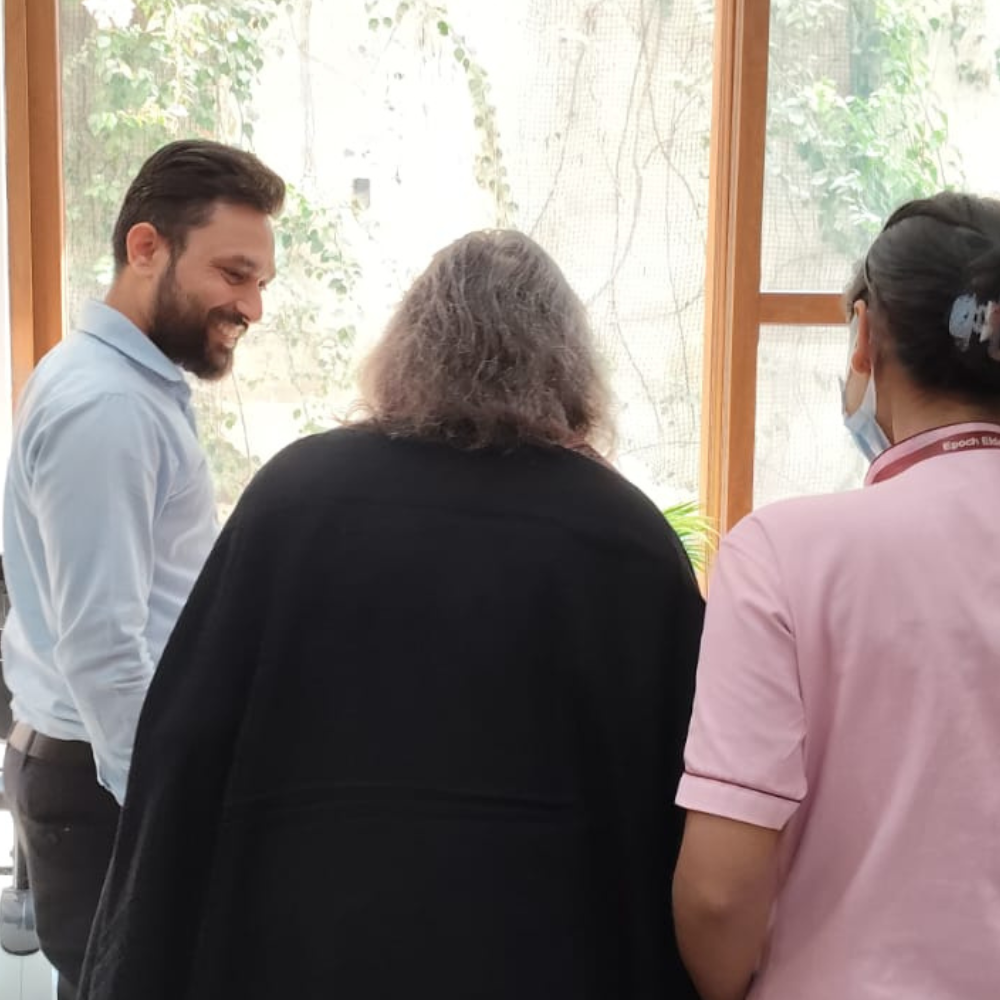
When an elder transitions into rehabilitation or assisted nursing care, many families carry an unspoken worry: “Are we stepping away?” In reality, the opposite is true. The most effective recoveries happen when professional care and family involvement work side-by-side.
Rehabilitation homes provide clinical structure, therapeutic engagement, and safety. Families provide identity, familiarity, and emotional grounding. Both are essential, and neither can replace the other.
Here’s how families remain central to the rehabilitation journey:
1. Emotional Support
Healing is not just physical; it is deeply emotional. Elders often feel disoriented after hospitalizations, surgeries, or neurological events. In such phases, familiar voices, familiar hands, and familiar stories offer comfort that no clinical intervention can replicate.
A consistent presence from family helps:
- Reduce anxiety and confusion
- Lift mood and motivation
- Build trust in the new environment
- Encourage participation in therapy
The difference in morale is visible when elders feel they are not alone in the process.
2. Sharing Personal History & Preferences
Every elder arrives with decades of experience, routines, and personal quirks, and these matter. Sharing a parent’s life history, favorite music, meal preferences, old professions, hobbies, fears, and triggers enables the care team to personalize engagement, communication, and therapy.
This is especially important in cognitive conditions like dementia, where:
- Music can calm agitation
- Familiar objects can anchor memory
- Known triggers can prevent distress
- Old habits can be used to build routines
Rehabilitation is most effective when it respects the person, not just the condition.
3. Participating in Care Planning
Rehabilitation is a process with goals, milestones, reassessments, and transitions. Families are active participants in this journey, not observers on the sidelines.
Care planning typically involves family participation in:
- Understanding the medical situation
- Setting realistic rehabilitation goals
- Discussing treatment options and timelines
- Reviewing progress and therapy outcomes
- Preparing for discharge or long-term decisions
This collaborative approach ensures transparency, reduces uncertainty, and empowers families to make informed choices.
A Shared Path, Not a Hand-Off
Families are not “replacing” their care role when elders enter rehabilitation; they are expanding it more healthily. Professional care teams handle the clinical and therapeutic load; families provide relational continuity and emotional steadiness. Together, they create conditions where elders can recover with dignity, clarity, and confidence. In this model, care becomes shared, elders feel supported, and families retain what matters most: the relationship, not just the responsibility.
Conclusion
Elders deserve care that preserves dignity, reduces fear, and promotes meaningful living. Rehabilitation and assisted nursing homes aren’t replacements for family; they are extensions of care that provide clinical excellence, safety, and engagement that home environments often cannot. For families, recognizing the right time can be overwhelming.
Delayed interventions may lead to avoidable complications, slower recovery, and caregiver burnout. A proactive approach, consulting a geriatric or dementia-focused elder care provider early, gives elders the chance to recover well and live fully. If you’re exploring dementia care, post-hospital rehabilitation, Parkinson’s support, or long-term nursing care, look for environments that combine clinical expertise + structured engagement + person-centered care + family inclusion, that’s where elders truly thrive.