Choosing an assisted living facility for your loved ones is never an easy decision. It can feel emotionally draining, leaving you second-guessing your choices and questioning your judgment at every step. The thought “Is this place good enough for my loved one?” often lingers, adding to the stress and uncertainty. These doubts are completely natural. After all, entrusting the care of someone you love to a new environment is a significant responsibility. But the process of choosing an assisted living facility doesn’t have to feel like an endless spiral of confusion. With the right set of questions and a clear framework for comparison, families can approach this decision with confidence.
By focusing on aspects such as quality of care, safety measures, staff expertise, amenities, and emotional support, you can better understand what different facilities offer, and, more importantly, what your loved one truly needs. Asking these questions and comparing answers helps create clarity, turning an overwhelming task into a more informed and guided journey.
This guide walks you through the top 14 questions to ask before choosing an assisted living home in India, helping families navigate everything from care plans to safety, staff training, costs, and beyond.
Q1: What kind of care plans do they offer, and are they personalized?
No two elders are alike. One may be active but need help with meals and medication reminders, while another may require daily assistance with bathing, walking, or specialized dementia care. A good assisted living facility will not offer one-size-fits-all plans. Instead, it should provide personalized care plans that take into account medical conditions, daily routines, dietary needs, lifestyle preferences, and even small comforts that make a person feel at home.
The best assisted living homes for the elderly in India adjust to both changing medical conditions and evolving emotional or social needs, making life more fulfilling rather than merely managed.
At Epoch Elder Care, we follow a person-centered care approach tailored to each resident’s unique needs. Dementia and cognitive engagement activities are designed around the elder’s individual preferences, fostering mental stimulation and purpose.
- Mobility and physiotherapy support includes personalized exercise plans, gait training, fall-prevention exercises, and access to physiotherapy OPDs.
- Nutrition and diet are managed through individualized plans prepared by nutritionists, considering medical conditions, personal preferences, and cultural needs.
- Emotional and social well-being is promoted through celebrations, festivals, group activities, and meaningful social interactions.
- Daily living support ensures assistance with grooming, hygiene, feeding, and transfers, preserving dignity at every step.
- Each care plan is reviewed monthly and adjusted based on the resident’s health, functional ability, and family input to ensure dynamic, responsive care.
Q2: How qualified and trained is the caregiving staff?
Caregiving staff are the heart of an assisted living facility. When families entrust their elders to a facility, they’re ultimately relying on the expertise, attentiveness, and compassion of its caregivers. Ask about caregiver-to-resident ratios to ensure personalized attention and safety. Inquire about staff training programs in areas such as dementia care, emergency response, fall prevention, and medication management.
- Observe how staff interact with residents: Are they patient, respectful, and attentive?
- Do they demonstrate empathy as well as professional competence?
- Are they trained to recognize early signs of physical or emotional distress?
A qualified, well-trained, and compassionate staff ensures that residents not only receive necessary support but feel genuinely cared for in their daily lives.
At Epoch Elder Care, our caregiving team combines qualified nurses and trained care attendants to provide comprehensive, compassionate care.
- Nursing Team: Nurses hold a minimum of GNM (General Nursing and Midwifery), with many having B.Sc or M.Sc Nursing degrees, and at least 2 years of clinical experience, including ICU and emergency care, enabling them to manage complex medical needs.
- Care Attendants: GDA-certified attendants(General Duty Assistant) are skilled in hygiene care, mobility assistance, medication support, and dementia care.
- Comprehensive Training: All caregivers undergo structured induction covering dementia and Alzheimer’s care, basic nursing, medication assistance, mobility techniques, infection control, and communication skills.
- Ongoing Learning: Caregivers receive regular in-service training, mentorship, and periodic assessments to stay updated on best practices and maintain Epoch’s standards of quality and compassion.
Under the supervision of the Head of Clinical Operations and Facility Manager, our team ensures every resident receives safe, person-centered, and dignified care.
Q3: What medical support is available?
Medical support is a cornerstone of any reputable assisted living facility in India. Families should ask whether qualified nurses, doctors, or other healthcare professionals are available on-site or on-call to address residents’ daily health needs and emergencies. Understanding the facility’s emergency protocols is essential: How quickly are residents attended to, and is there coordination with nearby hospitals, specialists, or ambulance services?
Preventive care is equally important. Inquire about routine health check-ups, chronic disease management, medication administration, and wellness monitoring programs. Facilities that emphasize proactive healthcare reduce the risk of serious health events and improve overall quality of life for residents.
If you’re looking for Assisted living homes for your loved ones who are often sick or have chronic issues that cannot be managed at home. One must ensure they choose a home with comprehensive medical support to ensure that your loved one receives timely attention, safe supervision, and personalized health management. A facility that balances clinical care with compassionate support offers both well-being for residents and peace of mind for families.
Q4: What safety measures are in place?
Safety is non-negotiable when choosing an assisted living facility. Families should look for comprehensive features such as fall-prevention systems, secure entrances and exits, emergency call buttons in rooms and common areas, smoke detectors, fire alarms, and clear evacuation procedures. These measures ensure residents are protected from common hazards while maintaining independence.
At Epoch Elder Care, the safety and well-being of our residents are paramount, ensured through a comprehensive approach. We provide 24/7 supervision with trained caregivers and nursing staff always present to respond promptly to any needs. Our emergency preparedness includes well-defined protocols for medical situations, access to on-call doctors, tie-ups with nearby hospitals, and staff trained in CPR and first aid. Fall prevention is a key focus, with grab bars, anti-skid flooring, wheelchair accessibility, and regular fall-risk assessments.
Medication safety is maintained through strict protocols for storage, administration, and digital double-checking via Careflick. We follow infection control measures aligned with NABH standards, including regular sanitization, vaccination drives, and rigorous hand hygiene practices. Finally, a secure environment is ensured with monitored entry and exit points, safety alarms, fire safety drills, and dementia-friendly layouts designed to protect and support residents at all times.
Choosing assisted living homes for elderly with robust safety protocols helps residents to explore their environment confidently. A secure, well-monitored space provides peace of mind for families, ensuring elders enjoy independence, comfort, and daily life without unnecessary risks while receiving attentive care.
Q5: What types of living spaces and amenities are provided?
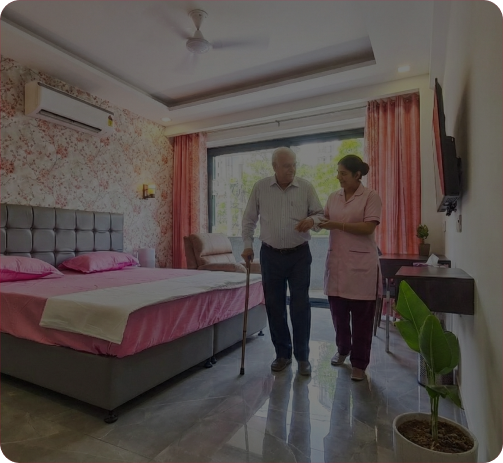
Comfort and familiarity significantly influence an elder’s quality of life. Ask whether the rooms are private or shared, the size of the apartments, and whether the environment can be personalized. Personal touches help maintain a sense of identity and independence.
Also, check for the range of amenities provided: housekeeping, laundry services, communal areas, gardens, recreational zones, and safe walking paths. Common spaces that encourage social interaction, such as lounges or activity rooms, enhance residents’ emotional and social well-being.
Modern assisted living homes for elderly aim to balance practical necessities with a homely, welcoming environment. Spaces should feel safe, personal, and engaging rather than clinical. By thoughtfully combining comfort, personalization, and functional amenities, a facility ensures that residents feel at home while receiving the support they need for daily life.
At Epoch Elder Care, we follow a person-centred care approach tailored to each resident’s unique needs and preferences. Dementia and cognitive engagement activities are designed according to the individual likes and dislikes of each elder, promoting mental stimulation and a sense of purpose. Mobility and physiotherapy support includes personalized exercise plans, gait training, fall-prevention exercises, and access to physiotherapy OPDs.
Nutrition and diet are carefully managed through individualized plans prepared by expert nutritionists, considering medical conditions, personal preferences, and cultural requirements. Emotional and social well-being is fostered through celebrations, festivals, group activities, and opportunities for meaningful social interaction.
Daily living support ensures assistance with grooming, hygiene, feeding, and transfers, maintaining dignity at every step. Each care plan is reviewed monthly and adjusted based on the elder’s health status, functional ability, and family input, ensuring dynamic, responsive care at all times.
Q6: How are meals planned and served?
Nutrition plays a crucial role in both physical and cognitive health. Ask whether meals are designed by qualified dieticians and customized to each resident’s health requirements, such as diabetes-friendly, low-salt, or high-protein diets. Personalized meal planning ensures dietary needs are met while keeping meals enjoyable.
Also, inquire about dining arrangements: Are meals served communally to encourage social interaction, or individually for convenience? Communal dining can improve social engagement and create a sense of community, while individualized options provide flexibility and privacy.
Facilities that prioritize variety, freshness, and culturally appropriate menus help elders maintain overall well-being. In assisted living, meal times go beyond nutrition; they should be an enjoyable, social, and integral part of residents’ daily routine, fostering connection, satisfaction, and health simultaneously.
Q7: What kind of daily activities and engagement programs are available?
Elders thrive when mentally, socially, and physically stimulated. Ask about the variety of activities offered, which may include art therapy, yoga, meditation, music sessions, storytelling, group walks, or recreational games. These programs should be thoughtfully structured to support physical health, cognitive function, and emotional well-being.
Engaging activities reduce feelings of isolation, encourage social interaction, and create a sense of community. Participation in hobbies and group events gives residents purpose, fosters friendships, and enhances mood. Facilities that actively integrate culturally appropriate and therapeutic programs help elders maintain independence while staying mentally and physically active.
For those exploring assisted living in Gurgaon or Pune, programs that balance recreation, therapy, and socialization ensure that residents feel valued, engaged, and part of a supportive community, making daily life fulfilling rather than routine.
Q8: How does the facility support emotional and mental health?
Emotional and mental well-being is as critical as physical health. Many elders experience loneliness, anxiety, or depression, so it’s important to ask whether counseling services, support groups, or companionship-focused programs are available. Emotional support may also include pet therapy, volunteer engagement, or regular interaction with staff trained in psychological care.
A facility that proactively addresses mental health creates an environment where residents feel safe, valued, and understood. Social interaction, therapy programs, and structured emotional support prevent isolation and improve overall quality of life.
A usual trend observed in assisted living homes for elderly in India is that mental health programs are often kept on the back burner or completely forgotten. To ensure a holistic approach to care, facilities should combine physical support with emotional and social engagement to reinforce well-being, creating an environment where elders thrive, not just survive.
Q9: How does the facility involve families in care?
Transparency and family involvement are essential for peace of mind. Ask if the facility shares regular updates about your loved one’s health, daily activities, and overall well-being. Find out whether family visits are encouraged and if relatives can participate in care planning or decision-making processes.
Facilities that actively involve families foster trust and collaboration. Open communication creates a supportive network for both residents and their loved ones, ensuring that care decisions reflect the residents’ preferences and needs. Family engagement also provides reassurance, strengthens emotional bonds, and encourages consistency in routines and care practices.
If you’re looking for assisted living in Pune, Delhi, or Gurgaon, Epoch Elder Care has an extensive procedure it follows to remain transparent, communicate proactively, and honestly.
- Regular updates are provided through fortnightly reports and WhatsApp group notifications, ensuring families are fully informed of all developments.
- Care calls are scheduled to review the elder’s progress, discuss challenges, and update the care plan as needed. We maintain open communication, allowing families to reach facility managers and the clinical team anytime for clarifications or suggestions.
- Families are also encouraged to actively participate in activities, including festivals, birthdays, therapy sessions, and other important events.
- Additionally, structured, digitised, and personalised feedback mechanisms ensure that family inputs are captured and used to continuously refine and enhance the care provided.
Q10: What is the cost structure, and what does it include?
Understanding the cost of an assisted living facility is essential for families planning long-term care. Facilities across India, especially in posh regions such as assisted living in Pune, Delhi, or Gurgaon, prices can vary depending on services, amenities, and care levels.
Families should request a clear breakdown of monthly or annual fees, including meals, housekeeping, medication management, daily activities, and access to common areas.
Ask about additional charges for specialized services such as dementia care, physiotherapy, or transportation for medical appointments and social outings. Flexible payment options: monthly, quarterly, or annual, allow families to manage finances comfortably.
Transparent pricing reflects the facility’s integrity and ensures that quality care is delivered without financial stress. For families exploring assisted living homes, knowing what is included and the potential extra costs helps in making an informed, confident decision.
Q11: What do current residents and their families say?
Firsthand experiences provide insights that brochures cannot. Speak with current residents and families to understand daily life, staff responsiveness, cleanliness, food quality, and social activities. Ask how emergencies are handled and whether residents’ personal preferences are respected.
Observe interactions: Are staff empathetic, patient, and attentive? Facilities that encourage family involvement and maintain open communication foster trust and a sense of community. Honest feedback helps families gauge the real quality of assisted living in India, whether in Pune, Delhi, or Gurgaon. Knowing residents’ satisfaction ensures your loved one will live in a safe, supportive, and engaging environment.
Q12: How does the facility handle medical emergencies and critical care situations?
Medical emergencies can occur unexpectedly, making response protocols vital. Ask if trained nurses are available 24/7 and whether staff are certified in first aid, CPR, and acute care management.
Check if the facility has partnerships with hospitals, specialists, and ambulance services for quick intervention. Preventive health measures, routine monitoring, and medication management further reduce risks. Safety systems like fall prevention, secure premises, and fire protocols are also crucial. Families seeking assisted living homes should prioritize facilities with robust emergency preparedness to ensure safety and peace of mind.
Q13: Can the facility support aging-in-place as needs change?
Aging-in-place ensures residents continue living in the same facility as care needs increase. Whether additional nursing, dementia care, or physiotherapy becomes necessary, a facility should provide seamless support.
Staff should update personalized care plans regularly, and the infrastructure as well, including handrails, wheelchair access, and safe bathrooms, must accommodate changing mobility. Familiar surroundings and continued social interaction support emotional well-being. For families looking at aging-in-place, they need to explore options that provide stability, continuity, and long-term peace of mind.
Q14: What are the company’s practicing values of elder care?
A facility’s values reflect its care quality. Families should ask whether dignity, compassion, independence, and cultural sensitivity guide daily operations. Ethical practices, transparency, and resident-centered decision-making are crucial indicators of trustworthiness.
Values also influence emotional and social support, including counseling, recreational programs, and autonomy in daily routines. For those considering assisted living homes for the elderly in Pune or Gurgaon, Epoch Elder Care combines clinical excellence with empathetic, personalized care, ensuring residents feel respected, safe, and fully engaged in a nurturing environment.
Conclusion
Choosing the right assisted living facility in India, whether it’s assisted living in Pune, Delhi, Gurgaon, or nearby areas, requires careful consideration, empathy, and research. Epoch Elder Care emphasizes not only high-quality clinical support but also emotional, social, and cultural well-being, ensuring your loved ones feel safe, engaged, and valued.
With careful planning and asking the right questions, families can choose an assisted living home that truly aligns with their loved one’s health needs, daily routines, personal preferences, and lifestyle. Selecting the right facility is more than a practical decision; it’s about ensuring safety, comfort, emotional well-being, and a sense of belonging. By considering factors such as personalized care plans, trained and compassionate staff, medical support, safety measures, nutrition, engaging activities, and family involvement, families can make informed choices that provide peace of mind and security.
At Epoch Elder Care, we understand that quality elder care extends beyond clinical support. Our approach combines professional expertise with empathy, cultural sensitivity, and social engagement, ensuring every resident feels valued, respected, and connected. Because for us, a home for elders is not simply about assistance, it’s about nurturing dignity, comfort, independence, and a fulfilling life at every stage.